The Vagina Monologues – Advocating for Women’s Rights and Honoring Their Lived Experiences

Disclaimer: Some of the material could be a trigger so please take care of yourself.

This first monologue is to honor the refugee women from Bosnia and Kosovo who were sent to rape camps in 1993.

My vagina is angry

King County Sexual Assault Resource Center

To talk with someone immediately, please call our 24-Hour Resource Line at 888.99.VOICE (888.998.6423). 

KCSARC is a victim-advocacy organization that provides critical support, tools, and direct services to children, teens, women and men who are victims of sexual assault. KCSARC works with clients of all ages and from all backgrounds.

KCSARC has the expertise to help victims heal and become survivors. Our philosophy is to provide services to victims and their families in a holistic and coordinated way so that victims and their support networks have the skills and knowledge needed to heal. Over half of KCSARC’s clients are under the age of 18, and it is not uncommon for a family to receive multiple services which may include:

Crisis Response
Every hour of the day, KCSARC has trained advocates ready to help you via its 24-Hour Resource Line. You can get help by calling 888.99.VOICE. Our advocates will answer your call, provide crisis intervention, information and referrals, and on-going support 24 hours a day, 7 days a week.

https://www.kcsarc.org/

Campus Law Enforcement Has a Significant Role in Addressing and Responding to College Sexual Assault

  • 86% of sworn campus law enforcement officials have legal authority to make an arrest outside of the campus grounds.
  • 86% of sworn campus law enforcement agencies have a staff member responsible for rape prevention programming.
  • 70% of campus law enforcement agencies have memorandums of understanding (MOUs) with local law enforcement.
  • 72% of campus law enforcement agencies have a staff member responsible for survivor response and assistance.
  • Among 4-year academic institutions with 2,500 students or more, 75% employ armed officers, a 10% increase in the last decade.

https://www.rainn.org/

Sexual violence on campus is pervasive.

  • 13% of all students experience rape or sexual assault through physical force, violence, or incapacitation (among all graduate and undergraduate students).
  • Among graduate and professional students, 9.7% of females and 2.5% of males experience rape or sexual assault through physical force, violence, or incapacitation.
  • Among undergraduate students, 26.4% of females and 6.8% of males experience rape or sexual assault through physical force, violence, or incapacitation.
  • 5.8% of students have experienced stalking since entering college.

Student or not, college-age adults are at high risk for sexual violence.

  • Male college-aged students (18-24) are 78% more likely than non-students of the same age to be a victim of rape or sexual assault.
  • Female college-aged students (18-24) are 20% less likely than non-students of the same age to be a victim of rape or sexual assault.

https://www.rainn.org/safety-students

https://www.rainn.org/statistics/campus-sexual-violence

What is Denim Day?

(Disclaimer: This may cause an emotional trigger for those who have been traumatized by sexual assault)

https://www.denimdayinfo.org/why-denim

The Denim Day story begins in Italy in 1992, when an 18-year old girl was raped by the 45-year old driving instructor who was taking her to her very first driving lesson. He took her to an isolated road, pulled her out of the car, removed her jeans and forcefully raped her.

She reports the rape and the perpetrator is arrested and prosecuted. He is then convicted of rape and sentenced to jail. Years later, he appealed the conviction claiming that they had consensual sex. The Italian Supreme Court overturned the conviction and the perpetrator was released. A statement from the Court argued that because the victim was wearing very tight jeans, she had to help him remove them, and by removing the jeans it was not rape but consensual sex. This became known throughout Italy as the “jeans alibi.”

Enraged by the verdict, the women in the Italian Parliament launched a protest wearing jeans on the steps of the Supreme Court. This protest was picked up by international media which inspired the California Senate and Assembly to do the same on the steps of the Capitol in Sacramento. Patti Occhiuzzo Giggans, Executive Director of Peace Over Violence, saw this in the media and thought everyone should be wearing jeans to protest all of the myths about why women and girls are raped. Denim Day in LA was born. The first Denim Day in LA event was held in April of 1999, and has continued annually since.

For more information on the case, visit The New York Times’ coverage.

Sexual Assault Awareness Month

E.P.I.C. Film Screening

Thursday, April 8th from 12noon-1pm

Join Zoom Meeting
https://zoom.us/j/91017957392?pwd=VFQxa0JFTWVUbW9CbW9NYzNKVFhSQT09
Meeting ID: 910 1795 7392
Passcode: 612026

RESOURCES for Survivors of Sexual Assault and Abuse

King County Sexual Assault Resource Center 

https://www.kcsarc.org/

Phone Hotline: 888-99-VOICE (888-998-6423) available 24 hours a day, 7 days a week 

 NSVRC – National Sexual Violence Resource Center 

https://www.nsvrc.org/saam

https://www.nsvrc.org/find-help


RAINN – Rape Abuse Incest National Network  

https://www.rainn.org/articles/sexual-assault

Phone Hotline: 800-656-HOPE (4673) available 24 hours a day, 7 days a week 

 RAINN Support for LGBTQ Survivors of Sexual Violence 

https://www.rainn.org/articles/lgbtq-survivors-sexual-violence

 RAINN Weekly Online Support Groups for Men Who Have Been Sexually Abused or Assaulted 

https://supportgroup.1in6.org/#/terms-of-service

March is Women’s Her-Story Month

Malala Yousafzai, Pakistani Activist, University of Oxford 2020 Graduate, and Youngest Nobel Prize Laureate 

https://malala.org/malalas-story

https://malala.org/our-work?sc=header

Malala Yousafzai’s lived experience of being targeted and shot in the face and surviving is a story of great courage. Her continued advocacy for safe and free education for girls around the world earned her a Nobel Prize. The Malala Fund has raised $22 million to fund girls’ education who otherwise would be prevented from going to school in Pakistan, Afghanistan, Brazil, Turkey, Ethiopia, Lebanon, and Nigeria. Education for Girls

Celebrating Women’s Firsts

Hidden Figures movie based on a true story about three African American women mathematicians who significantly helped NASA to win the Space Race.

“In 1961, a time of segregation and rampant racism and sexism, three African-American women overcame every challenge they faced and helped NASA in the early days of the Space Race. The record of Katherine Johnson, Dorothy Vaughn and Mary Jackson is a story that was ignored until now.”

Hidden Figures Book Read for Children, read by the book’s illustrator, Laura Freeman.

Mary Jackson, NASA scientist (1961)

https://online.maryville.edu/blog/women-of-color-in-stem offers a list of amazing scientists for us to honor their contributions in STEM fields.

Bessie Coleman, First African American and Native American Pilot in the world
(1892-1926) 
https://www.womenshistory.org/education-resources/biographies/bessie-coleman 
“Bessie Coleman soared across the sky as the first African American, and the first Native American woman pilot. Known for performing flying tricks, Coleman’s nicknames were; “Brave Bessie,” “Queen Bess,” and “The Only Race Aviatrix in the World.” Her goal was to encourage women and African Americans to reach their dreams. Unfortunately, her career ended with a tragic plane crash, but her life continues to inspire people around the world.”

Mae Jemison is the First African American Woman Astronaut (1956- Present)
  •  https://www.womenshistory.org/education-resources/biographies/mae-jemison 
  • “As a doctor, engineer, and NASA astronaut, Mae Jemison has always reached for the stars. In 1992, Jemison became the first African American woman to travel in space. She has also written several books and appeared on many television programs including an episode of Star Trek: The Next Generation. In addition to her many awards, Jemison has been inducted into the National Women’s Hall of Fame and the International Space Hall of Fame.”

Queen Liliuokalani, First and Last Queen to Rule Sovereign Hawaii (1838-1917)
  •  https://www.womenshistory.org/education-resources/biographies/queen-liliuokalani 
  • “Growing up in a royal family, Queen Lili‘uokalani was trained to be a monarch. Even though becoming queen was probably not a surprise to her, she may not have known that she would also become the last sovereign monarch of the Kingdom of Hawaii. Unfortunately, she was only able to reign for three years because the United States overthrew the Hawaiian monarchy. However, Lili‘uokalani published her side of the story in a memoir that became the only autobiography written by a Hawaiian monarch.”

Pacific IslandersPasifika, or Pasefika, are the peoples of the Pacific Islands. It is a geographic and ethnic/racial term to describe the inhabitants and diaspora of any of the three major sub-regions of Oceania (MicronesiaMelanesia, and Polynesia). It is also sometimes used to describe inhabitants of the Pacific islands (i.e. citizens of Pacific states who are of Asian and European descent who call the Pacific their home).

New Zealand has the largest concentration of Polynesian Pacific Islanders in the world—during the 20th century and into the 21st century the country saw a steady stream of immigration from Polynesian countries such as SamoaTonga, the Cook IslandsNiue, and French Polynesia.

https://en.wikipedia.org/wiki/Pacific_Islander


NSC Welcomes the New Pacific Islander Affinity Group

North Seattle College is excited to announce it’s first-ever Pacific Islander Affinity Group!


Anna Bungag, PIA’s logo artist and North Seattle College Graduate

TRiO Navigator Jeff Bermudes (he/his), Pacific Islander Affinity Group Advisor is a descendant of the Chamorro people indigenous to the Mariana Islands. Sabrina Malialani (she/her), Student Leader is a descendant of King Kamehameha V indigenous from the Hawaiian Islands. In celebration and identification of the Pacific Islander Affinity Group, we would like to introduce our brand-new logo designed by North Seattle College Alumnus, Ana Bungag. 

Pacific Islander Affinity Logo Artist- Ana Bungag (She/Her, Fillipino- American):

I am Ana Bungag and my pronouns are she/her. I immigrated from the Philippines to the US when I was a teenager, but I just recently became a US citizen and so I now identify as Filipino-American. I graduated at North Seattle College with a bachelor’s degree in International Business and now I am studying Graphic Design at Seattle Central College.

How was your experience going to NSC? 

For me, the classes that I took at NSC shaped me in the career path that I wanted to take. My Digital Arts class sparked my interest in becoming a graphic designer and digital artist. My classes in International Business helped me understand even more about the cultures and practices of people from different countries which I feel I should keep in mind when I am working or interacting with someone. 

Right now, my art and designs are focused on my community, especially Asian/Pacific Americans. I want to help and show my support for them especially now with all the hardships they have to face since the beginning of the pandemic.

It Happened Here: How Internment of Japanese-Americans Shaped the History of North Seattle College

undefined
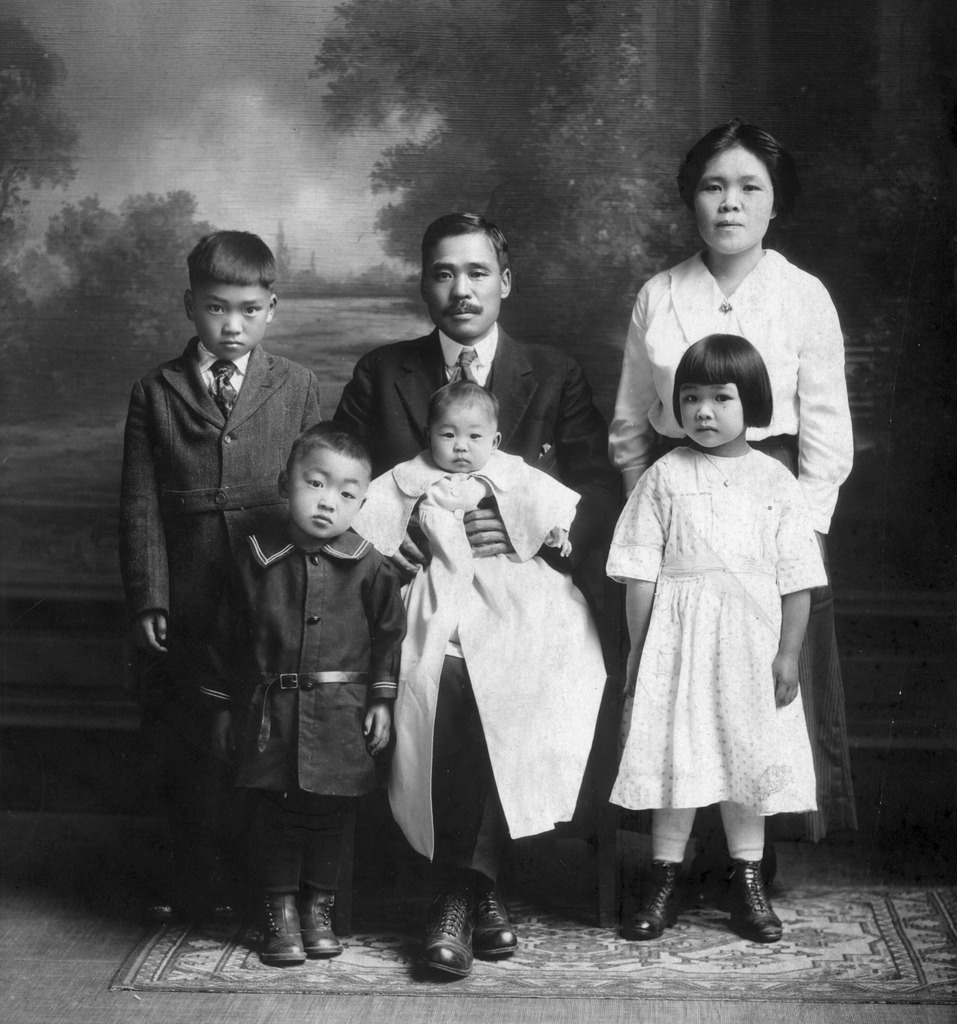
From (L to R): Akira, Haruo, Mr. Kumasaka, Mariko, Mrs. Kumasaka, May (via Densho)

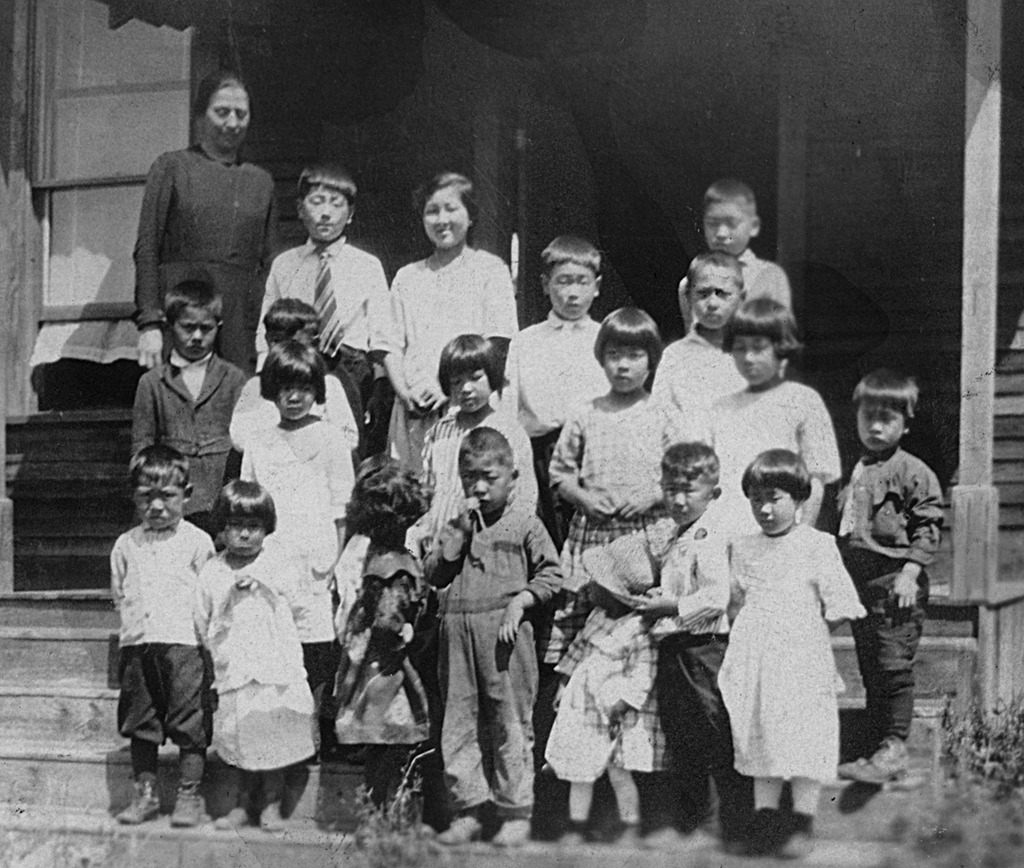
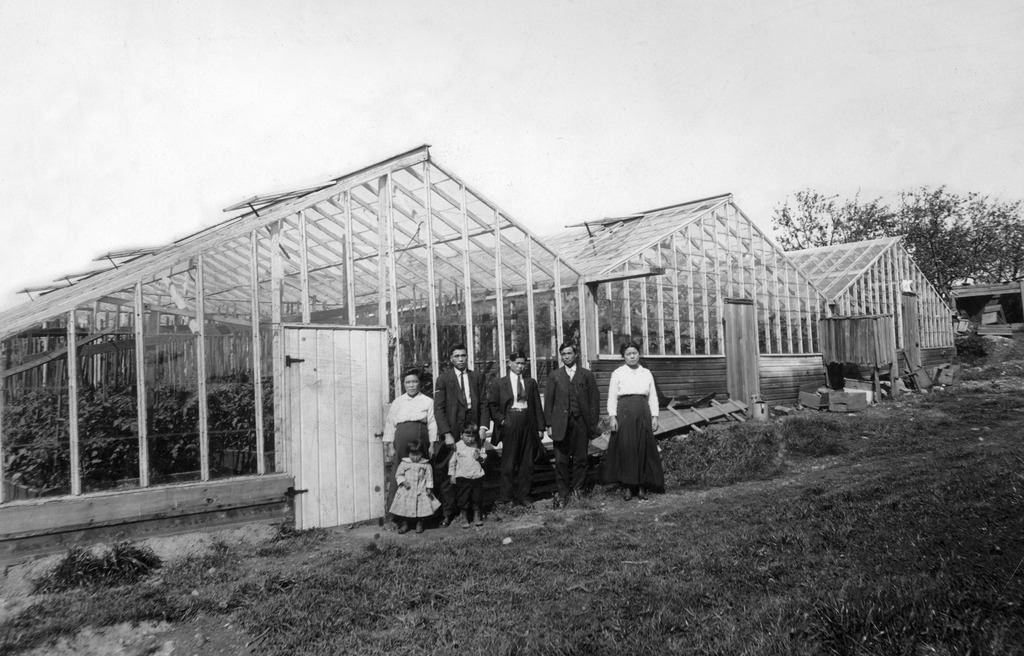
In 1911, Japanese immigrants Shoji and Matsuma Kumasaka founded Green Lake Gardens on the spot where the College stands today. The whole area around Green Lake was farmed by Japanese immigrants and their families. By the 1920s, Japanese-American farmers supplied 75% of King County’s vegetables and half its milk supply, and more than half of Pike Place Market’s farmers were Japanese. The Kumasaka family used greenhouses to grow flowers and vegetables, and they built a small Japanese Language School and Community Center that stood on the southeast corner of the property, so second and third generation folks could bring their kids to learn the culture. This entire area was a thriving hub of Japanese-American community, up until World War II. 

undefined
This Sunday school was started by three missionaries from the Seattle Japanese Baptist Church in the early 1920s. Back row (L to R): Miss Rumsey, Naoshi Kumagai, Kay Suzuki, Tadashi Kumagai, unidentified, Akira Kumasaka. Middle row (L to R): Tak Nakawatase, unidentified, unidentified, May Kumasaka, Kimi Taguchi, Ko Suzuki, unidentified. Front row (L to R): Sam Taguchi, Toshiko Suzuki, unidentified, Haruo Kumasaka, Kazuko Sasaki, Nobi Sasaki, Takako Kumagai. (via Densho)
undefined
By the late 1930s, many Issei-operated floral greenhouses existed in the North Seattle area. The flowers were sold at Seattle’s Public Market, retail stores, and wholesale companies. (via Densho)

 On February 19, 1942, President Franklin D. Roosevelt signed Executive Order 9066, leading to the forced removal & incarceration of more than 120,000 Americans of Japanese ancestry on the West Coast. They were taken from their homes and sent to internment camps for the “crime” of looking like the enemy. The vibrant Japanese-American community that had lived and farmed here for decades was  gone in a matter of days. This happened here, less than 80 years ago, on the land where our college is now built. 

Akira Kumasaka (the son of the original owners) and his wife Sayo and their children were interned at camps in Puyallup and Minidoka, Idaho. After the war, the Kumasakas came home to find their greenhouses seriously damaged, and the community school burned to the ground. The Kumasakas were one of the few families who chose to stay and try to rebuild their farms. The neighborhood was changing as the city of Seattle expanded, with Northgate Mall being built in 1950. 

In 1952, Akira was driving the family’s garden truck and suffered a stroke. Police assumed he was driving drunk and threw him in jail, and he died days later. Sayo was pregnant at the time. She had never driven a truck or written a check. But she learned fast because she had to. She managed to take over running the farm while providing for her kids.  

undefined
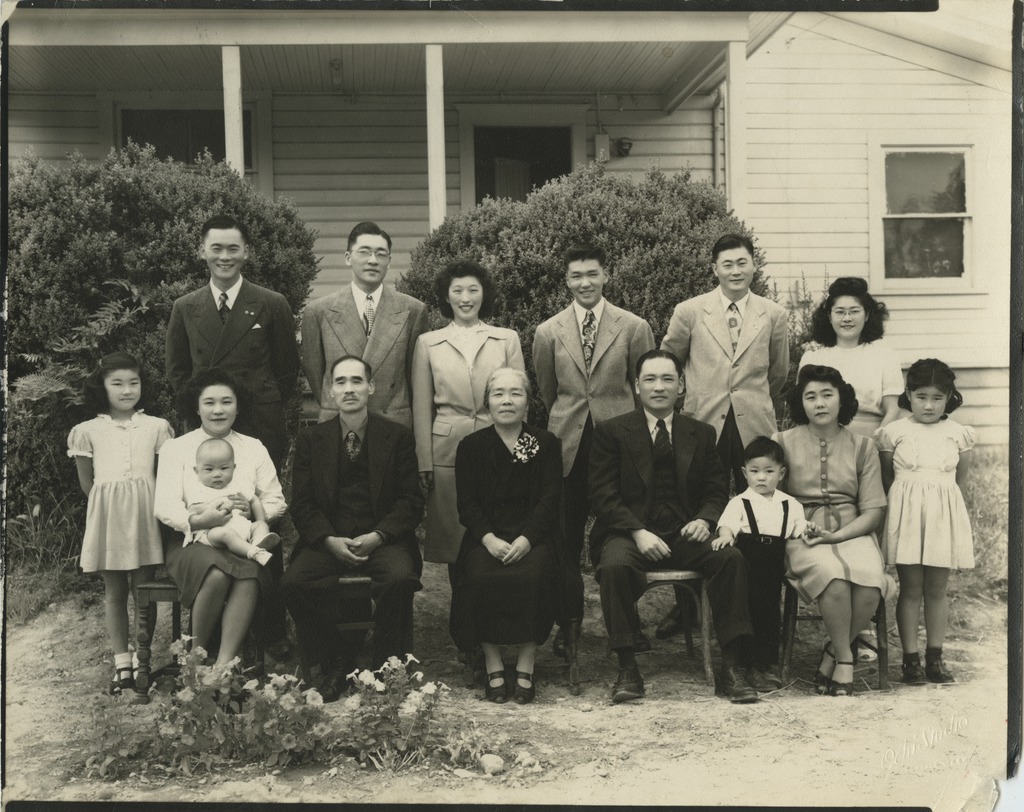
Kumasaka family, date unknown.

In 1968, when the State went to buy the land where North would be built, they offered people pennies on the dollar to buy their property. Sayo Kumasaka was still alive then. She died in 2007 at age 90—again, this wasn’t long ago. She got all the residents organized to negotiate, and in the end, the State was forced to offer them all a fair price. All the homes that were there got bulldozed and plowed over, and the College opened in 1970. Today you can still see what’s left of those homes, out by the north parking lot. They look like weird mounds under the grass that don’t look like the rest of the land. Now it’s just the ghost of what used to be there, and it’s possible to pass by them hundreds or thousands or times and never know.    

Today, we stand in solidarity with all humans who are being detained because of race, religion & national origin. We learn the history, hoping we can stop it from happening again. 

Sources: 
We have done our best to tell this story accurately and respectfully with the information that is available to us, using a combination of oral histories and conversations on campus, and the following sources. If you have more information or would like to offer a correction, please email us at StudentLeadershipNorth@seattlecolleges.edu  

https://densho.org/ 
http://ddr.densho.org/ddr-densho-134/ 
https://www.historylink.org/File/298 
https://historylink.org/File/3447 
https://www.seattlepi.com/local/article/Sayo-Kumasaka-Harmeling-1916-2007-Gardens-1228100.php 

Additional stories and education about Japanese Internment can be found on this YouTube Channel curated by Densho:
https://www.youtube.com/channel/UChP_ZwM13TCNSqNJl5SDlsA

And this resource list curated by North Seattle Library:
https://libguides.northseattle.edu/dayofremembrance

Lunar New Year 2021: Year of the Ox

Lunar New Year is a celebration based on the Lunar calendar system that originated from China. This year, the first day of the Lunar New Year falls on February 12th of the Gregorian calendar (the regular version we use everyday which is based on the sun). 

Much like the International/Gregorian New Year, Lunar New Year is the time for family reunions and a series of never-ending feasts with friends and family (not during this pandemic of course!). However, there is a twist– we get red envelopes filled with $$$! 

There are similar ideas between the Western and Eastern world which revolves around the zodiac. While the Western Zodiac signs (such as Capricorn, Aquarius or Leo) change roughly every 30 days, the Chinese zodiac is a cycle of 12 animals that changes every year: Rat, Ox, Tiger, Rabbit, Dragon, Snake, Horse, Sheep, Monkey, Rooster, Dog, and Pig.

To find out about the original story of Lunar New Year, watch this video:

To find out what your animal is, try this website here.

To find out what your animal says about you, click here.

Lunar New Year is a holiday celebrated by many Asian cultures. Below is the list of countries that celebrate Lunar New Year:

  • China
  • Hong Kong
  • Indonesia
  • Japan
  • Mongolia
  • Singapore
  • South Korea
  • Taiwan
  • Thailand
  • Vietnam

And many more!

Different countries have different celebratory practices, but the main theme of this holiday is to gather with family members, and reach out to those in your life that you haven’t touched base with in a while, to wish them good luck!

On behalf of the North Seattle Student Leadership and Multicultural Programs, we wish you a prosperous new year of the Ox!

Celebrating Black History & Cultures

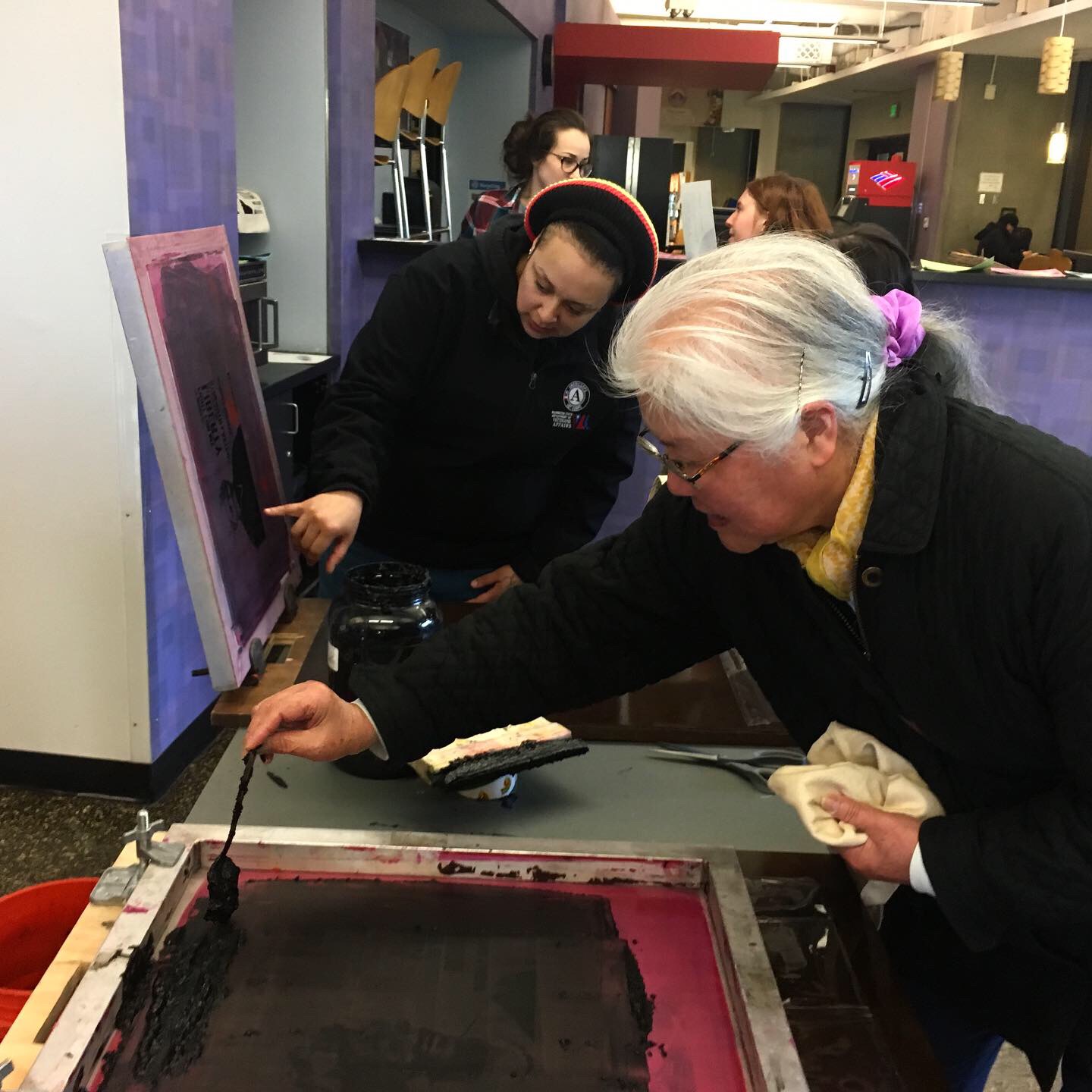
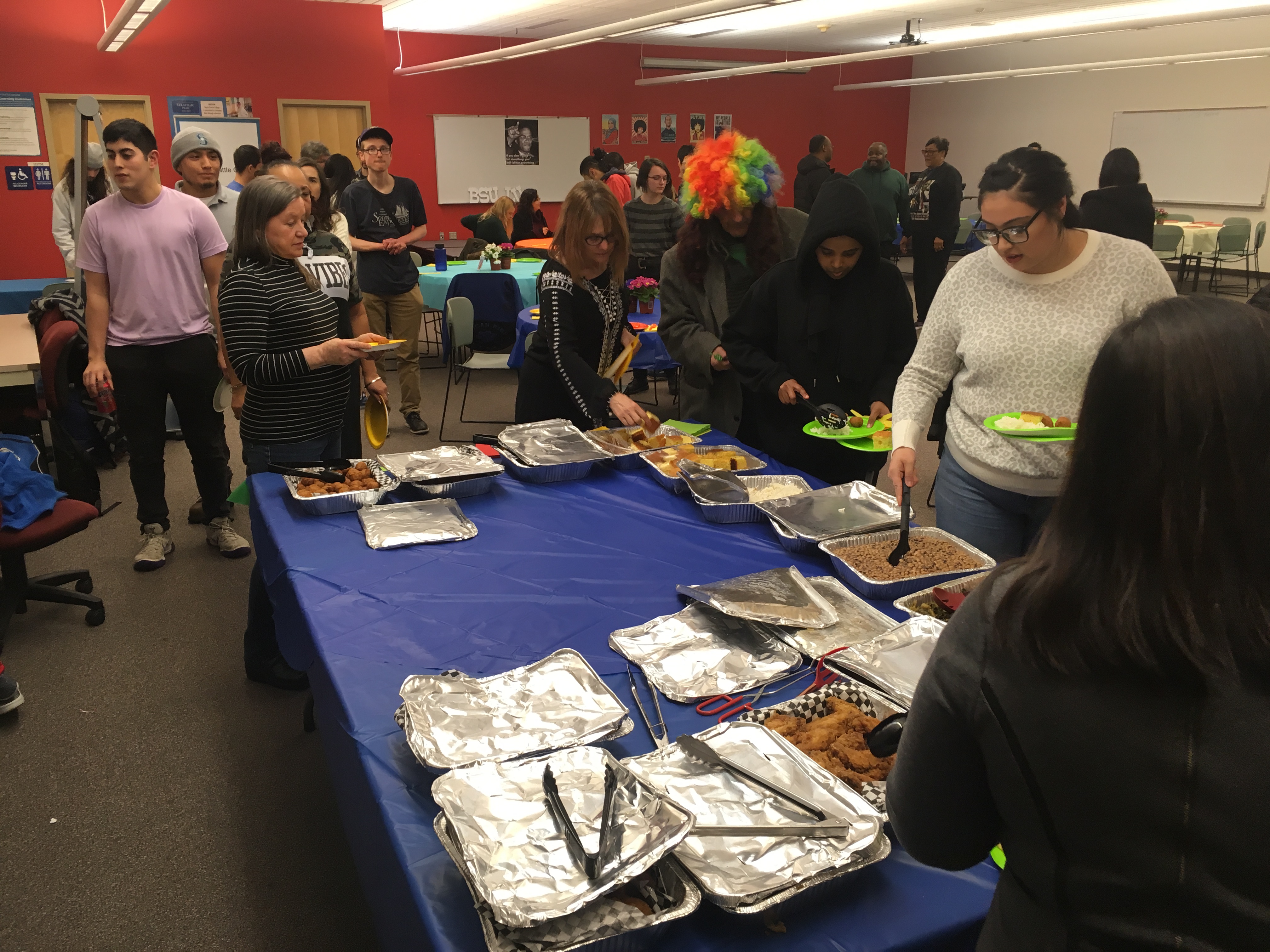
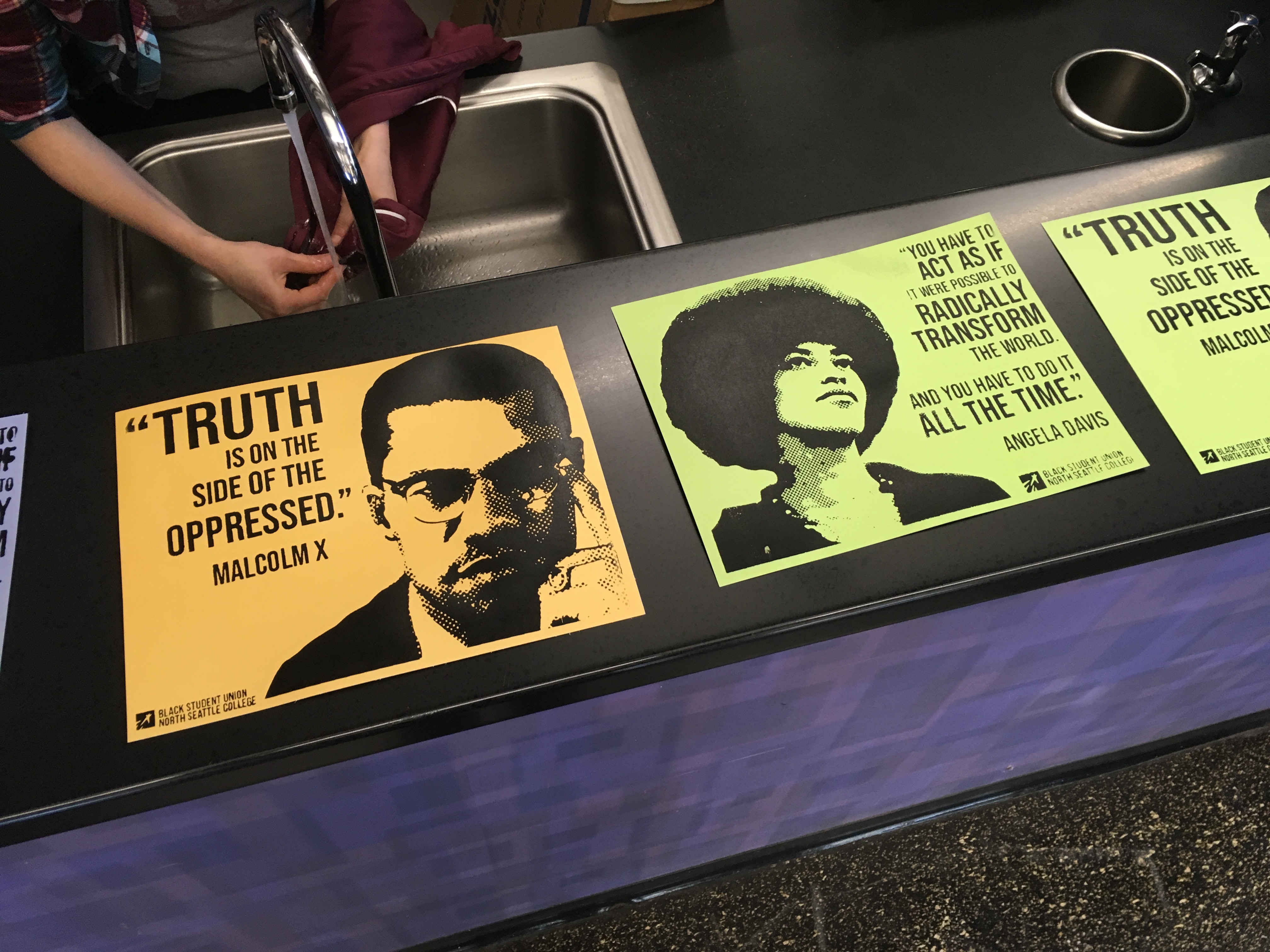
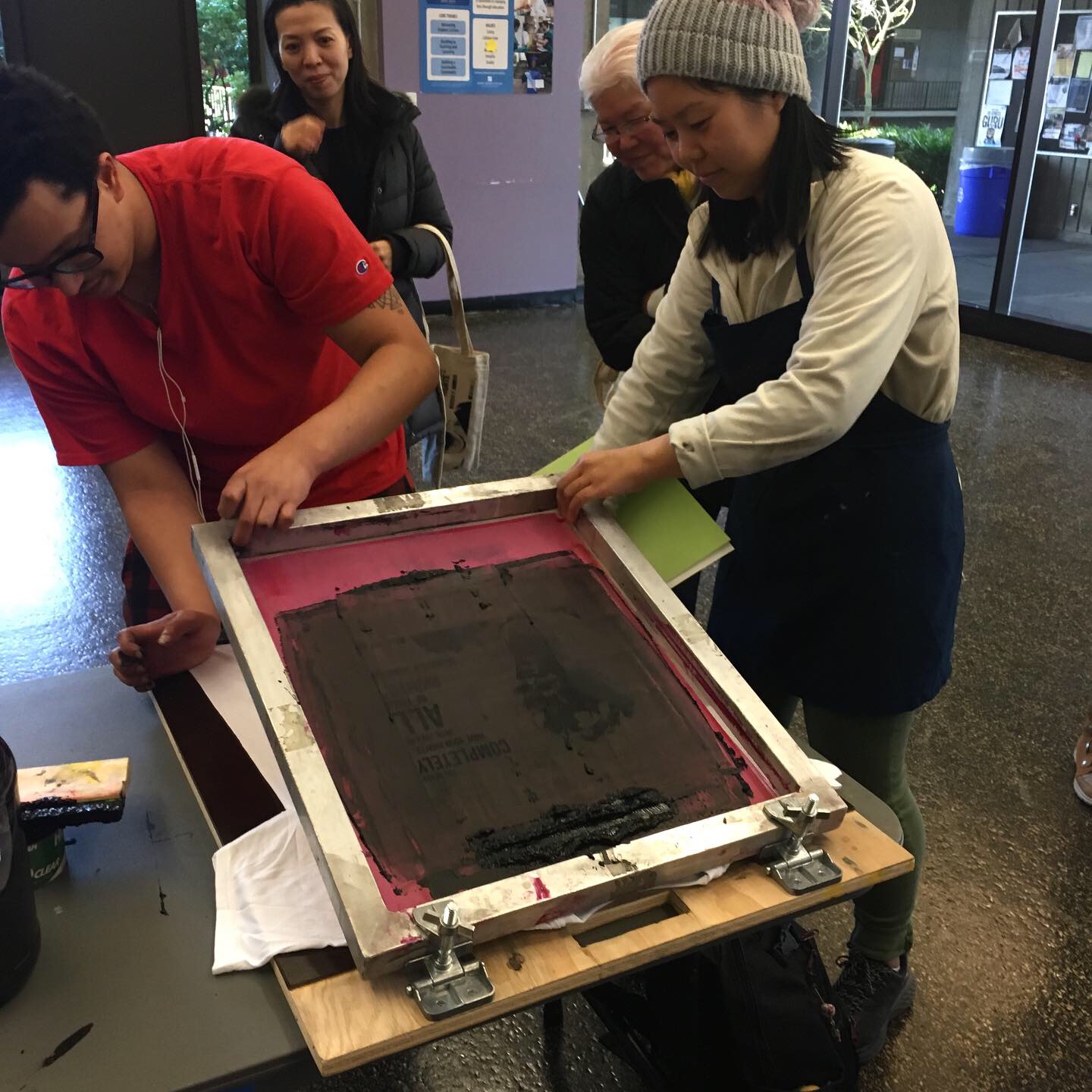
This was us last year: celebrating Black History with a month of presentations and discussions, trivia games, food, screen printing, even a talent show.

This year, our BSU is hosting a series of awesome virtual events, and we hope to see you there at https://tinyurl.com/nscbsu
Friday 2/12, 3-4PM: Honoring Black History, with a virtual tour of the NW African American Museum
Friday 2/19, 3-4PM: Sister Circle discussion group for WOC
Thursday 2/25, 12-2:30PM: Streaming the documentary LA 92
Friday 2/26, 3-4PM: Discussing the film LA 92

We hope to get back to all our in-person celebrations by 2022, but in the meantime we wanted to share how we, the Student Leadership Events Board, have been celebrating Black art, media, creativity & joy in our everyday lives. Of course there is way more than we could ever list in one article, so this reflects some things that we have personally enjoyed lately.

Check out our list below and if one of your faves is missing, share in the comments!

BOOKS

  • When They Call You a Terrorist: A Black Lives Matter Memoir – Patrisse Khan-Cullors & asha bandele
    This book is actually also our all-campus read this year at North. Contact the Library to see if any free copies are still available & sign up to join a faculty-led book discussion!
  • Black Futures – Kimberly Drew and Jenna Wortham
    Black Futures is an American anthology of Black art, writing, and other creative work, form over 100 contributors.
  • Heavy – Keise Laymon 
    It is about the jagged, uneven road to becoming a writer and a man; it is a chronicle of daily confrontations with the twin assaults of American racism and America’s weight-obsessed culture. Heavy is a compelling record of American violence and family violence, and the wide, rutted embrace of family love.
  • Homie – Danez Smith
    In poems of rare power and generosity, Smith acknowledges that in a country overrun by violence, xenophobia, and disparity, and in a body defined by race, queerness, and diagnosis, it can be hard to survive, even harder to remember reasons for living
  • Honey Girl – Morgan Rogers
    CW: mental illness, self-harm. Grace is a hard-working straight-A student who just finished her PhD in astronomy. Then, celebrating in Vegas, she gets drunkenly married to a woman whose name she doesn’t know. Things start to fall apart, but not at all how you’d expect.
  • All Boys Aren’t Blue – George M. Johnson
    Personal essays by an LGBTQ+ activist & journalist about growing up, stories and reflections on Black joy, structural marginalization, brotherhood, relationships, and toxic masculinity, gender identity, and more.
  • Parable of the Sower – Octavia E. Butler
    A Sci-fi classic, written in 1993 but set in 2020. Feels a little more real every day…
  • Akata Witch – Nnedi Okorafor
    Follows 12-year-old Sunny, a Nigerian-American girl with albinism, as she finds her way into a hidden magical community and learns to navigate friendships and identity.
  • Pet – Akwaeke Emezi
    CW: allusions to child abuse. In a utopian future where “there are no monsters anymore,” 17-year-old Jam accidentally brings one of her mother’s horrifying paintings to life.
  • The Warmth of Other Suns: The Epic Story of Americas Great Migration – Isabel Wilkerson 
    This historical account tells the stories of some of the six million(!!) Black Americans who moved from the South to the North between 1915 and 1970.
  • Caste: The Origins of Our Discontents – Isabel Wilkerson
    This riveting, illuminating book uncovers the unspoken hierarchies that shape US society.

PODCASTS

  • The Read
    A weekly pop culture podcast by two Black queer writers based in NYC. It is hilarious, poignant, not necessarily family friendly, and always a good time.  
  • Still Processing
    Two culture writers from the New York Times share writing and dialogue on current events, music, movies, art, etc.
  • Therapy for Black Girls
    A weekly chat about all things mental health, personal development, and all the small decisions we can make to become the best possible versions of ourselves.
  • Bag Ladiez
    Two Afro-latinx Dominican friends chat and joke about baggage, world events, vulnerability, and how we can live our truest, most authentic lives.
  • Introverted Black Girl
    Relatable, conversational, and funny. Short, sweet episodes run 10-20 minutes.

SHOWS

  • Insecure
    A Black millennial woman struggles through job and relationship hoopla. Very funny, fairly lighthearted, and very relatable.
  • Watchmen
    With a combo like Sci-fi and racism, what could go wrong? Well, most things.
  • Lovecraft Country
    See above but add a creepy factor.
  • Pose
    Ballroom is the lifeforce of all things trendy and fun, this show is a great peek into the history and contributions of Black and Latinx queer folks.
  • I May Destroy You
    TW: Sexual Assault. Incredibly written, thought provoking, and raw.
  • Queen Sugar
    Compelling & dramatic, this show follow three Black siblings in rural Louisiana as they try to determine the fate of his sugarcane farm following his sudden death.

Plus here’s a list of movies that highlight Black joy (the 90s are well represented!): https://www.popsugar.com/entertainment/movies-about-black-joy-48137615

MUSIC

Logic – “No Pressure” album

Jazmine Sullivan – “Heaux Tales” album

Beyoncé – “Black is King” visual album

Be Steadwell – “Queer Love Songs”

LOCAL BUSINESSES

  • Pam’s Kitchen – 1715 N 45th St, Seattle
    Owner & chef Pam moved here from Trinidad in the early 90s and worked cleaning houses until she earned enough to open her now-iconic restaurant. Don’t miss out!
  • Island Soul – 4869 Rainier Ave S, Seattle
    Mouth-watering Caribbean-inspired soul food (with vegetarian options)! Contactless pick-up available.
  • Simply Soulful Cafe – 2909-B E Madison St, Seattle
    Authentic southern recipes that have been passed down through generations.
  • Enat – 11546 15th Ave NE, Seattle
    Delicious, reasonably-priced Ethiopian food in the North End, including vegetarian options.
  • The Station – 1600 S Roberto Maestas Festival St, Seattle
    Black & Latinx owned business, employs POC and LGBTQ+ folx from the community, supports artists of all kinds. Food & coffee, including amazing signature drinks, and you can order online.
  • Black Coffee Northwest – 16743 Aurora Ave N, Shoreline
    Great coffee, and a drive-thru. They host local events and do job trainings and internships for Black youth. They’ve had to deal with a lot of gross racism since opening, so your support is important.
  • Slim Pickins Outfitter
    Okay, so this isn’t exactly local, but this Black-owned outdoor gear shop is the only one in Texas, possibly in the country. Sales have been way down since COVID, to the point where there’s a go fund me to save the location. If you’re doing your shopping online anyway, check them out!